Letters
Graffiti Font vs Hand Drawn Letters: Where Fonts Help and Where They Die
An honest graffiti font vs hand drawn letters breakdown: when fonts help with structure, when they flatten your style, and why hand-drawn letters feel written instead of installed.
Published Apr 22, 2026 · Updated Apr 22, 2026 · 13 min read · By SprayShift Editorial
Quick Answer
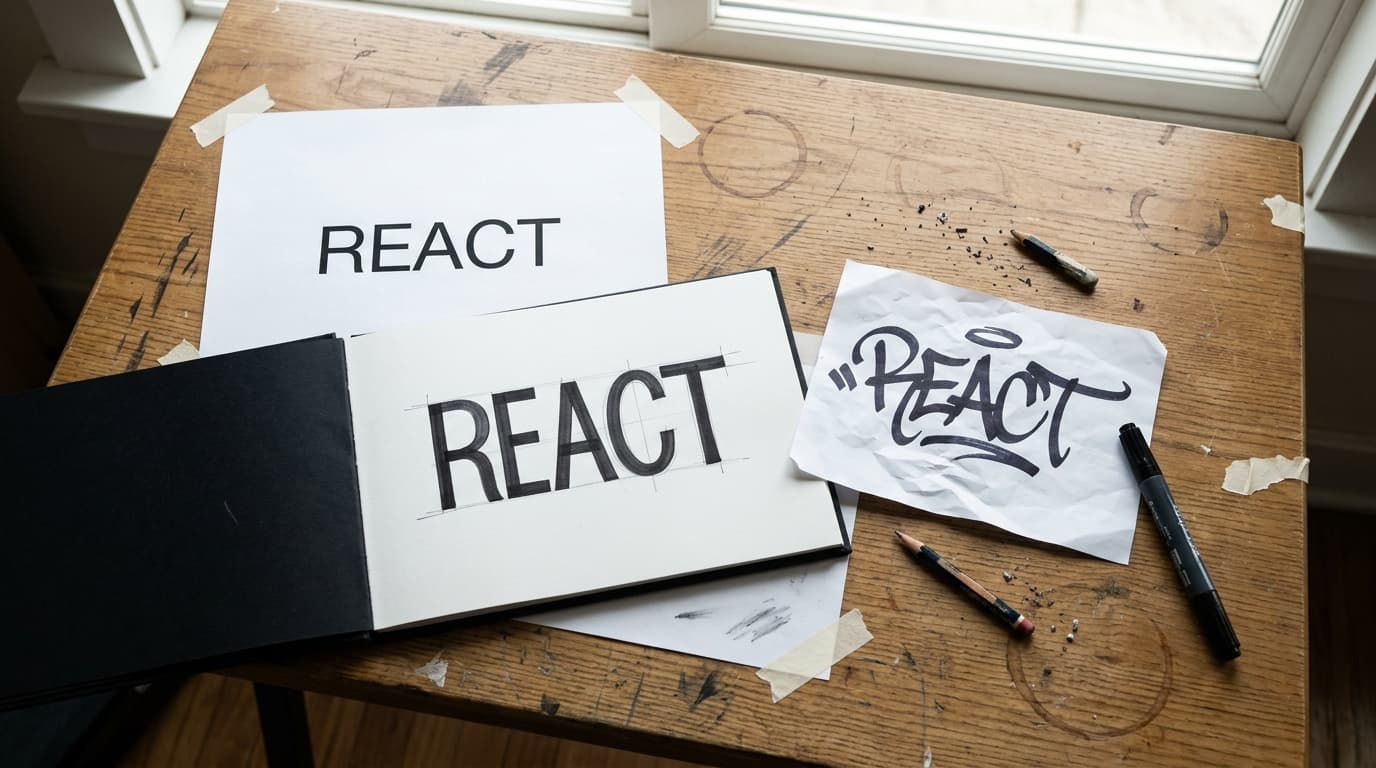
If the piece still looks typed after the outline goes on, it is still typed. Fonts help with proportions, cap height, and cleaner bars. They do not help with the part that makes a word feel written: neighbor logic, pressure changes, and endings that belong to the rest of the set. Use the font for the first pass, then break it until the middle stops looking borrowed.
Who This Is For
Anybody whose letters are readable but still feel stiff, copied, or weirdly dead once the whole word has to carry some actual personality.
Table of Contents
- The problem is usually not the font. It is stopping at the font.
- Where fonts actually help
- Worked redraw: what actually changes when a printed word starts getting fixed
- Hand written is a different test entirely
- What hand-drawn letters fix that fonts usually miss
- Failure example: copied font, graffiti accessories, same dead word
- How I would actually practice this tonight
The problem is usually not the font. It is stopping at the font.
A lot of people hear "go simple" and take that as permission to use a font as the whole blueprint. Then they dress it up, thicken it, maybe throw an arrow on the end, and wonder why it still feels dead. That is not because fonts are evil. It is because the word never stopped behaving like typed text.
A font is useful for a couple things. It can calm you down. It can stop one letter from getting obese while the next one goes hungry. It can show you cap height, counter shape, and basic bar discipline without all the extra noise.
What it cannot do is make the word move. It cannot decide that the A needs to lean because the letter before it is wide. It cannot tell you the middle needs more air or that the last letter is flexing too hard. That part is on your hand.
That is why copied-font pieces always feel a little installed. The letters are there, but the word never really locks together.
And sometimes the ugly truth is that the printed pass still looks better than your redraw. That stings, but it is useful. The page is telling you exactly what still needs work.
Where fonts actually help
If you are building straight letters, a font can be a decent training wheel. Not for style. For discipline. Print something plain, boring, almost ugly. Let it teach you where the bars sit, how the counters open, and how much room the word actually needs before you start trying to make it hit.
That can save beginners a lot of dumb mistakes. It keeps you from inventing six different widths in one word. It keeps the top line calmer. It gives you something to push against instead of just making random shapes and calling it originality.
The key is that the font pass should be the first pass, not the final answer. If you never break the printout, you never really drew anything.
To be fair, fonts are still useful for designers, moodboards, and clean mockups. If the goal is presentation, they can do the job. If the goal is building your own letters, they run out fast.
- Good use: proportions, cap height, cleaner bars, calmer counters.
- Bad use: copying the terminals, copying the spacing, copying the whole mood.
- If the redraw still looks like the printout, you are tracing, not building.
Worked redraw: what actually changes when a printed word starts getting fixed
This is the missing part in most articles on this topic. People say "make it more organic" or "add flow" and that advice is useless if nobody shows what actually changed. So here is the honest version.
Start with the printed word. In REACT, the printout is clean but flat. The R sits there. The E and A do not really talk. The C is technically open but still feels timid. The T finishes like a default keyboard ending, not like the end of a graffiti word.
On the redraw, the job is not to go crazy. The job is to stop the word from behaving like six separate letters waiting for permission. You adjust the letters where the word is tight, lazy, or too obedient.
- Notice that none of those fixes require arrows, 3D, or a style gimmick.
- Most of the value is in the middle two letters, not the flashy opener.
- If the redraw only changes the silhouette and not the spacing logic, it still is not really a redraw.
| Letter/area | What feels wrong in the font pass | What to change by hand | What that fix gives back |
|---|---|---|---|
| R opener | Too neutral and upright | Lean it slightly and give the bowl a little more push | The word starts with intent instead of just starting |
| E-A join | Looks evenly spaced but still dead | Tighten the gap a touch and let the A take more weight | The center starts feeling connected |
| C counter | Technically open but weak | Open it wider and give the outer curve more confidence | The word breathes instead of mumbling |
| T exit | Looks like a default last letter | Stretch or calm the terminal so it answers the whole word | The finish feels earned instead of pasted on |
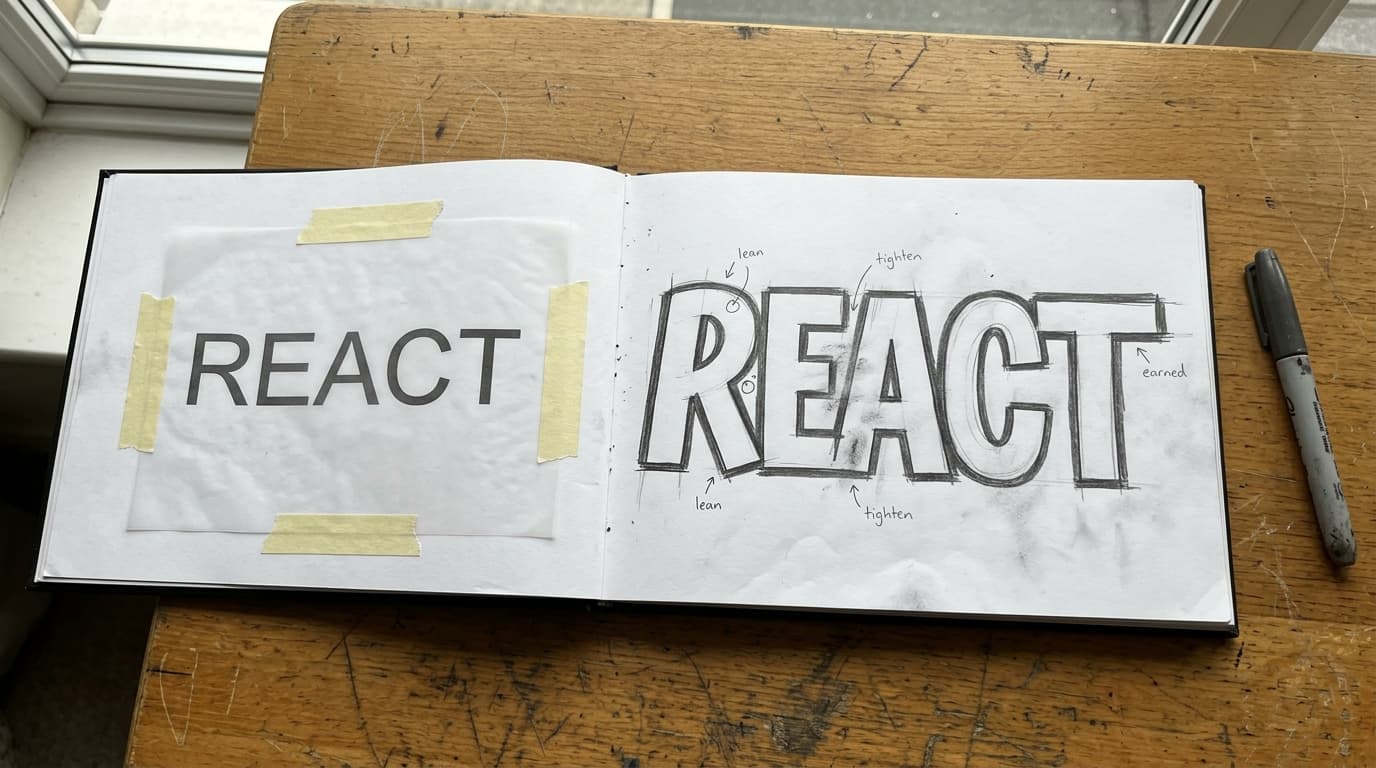
This is where the piece starts earning its keep. The printed word is fine, but the redraw begins fixing the real trouble: the opener wakes up, the middle tightens, and the T stops feeling like a default last letter.
Hand written is a different test entirely
This is the part the first draft barely showed, and it matters. Hand-drawn straight letters and hand written line are not the same thing. A hand-drawn straight-letter piece is still built. A handstyle or tag is written. Different test. Different pressure. Different honesty.
You can fake a font-based straight letter for a minute. You cannot fake handstyle for long. The second the line gets moving, all the copied logic falls off. Either your hand knows how the word flows, or it does not.
That is why writers keep telling beginners to work their hands. A tag forces rhythm. It forces stroke confidence. It forces you to stop thinking of letters like isolated little logos and start treating them like one movement.
So when people say hand-drawn usually wins, they do not only mean a neater sketch. They mean the word starts sounding like you instead of sounding like the font you borrowed.
- Fonts can help you build a word. They cannot teach your hand how to write one.
- Handstyle exposes fake spacing faster than straight letters do.
- If the line only works when it is slow and careful, it is probably still borrowed.
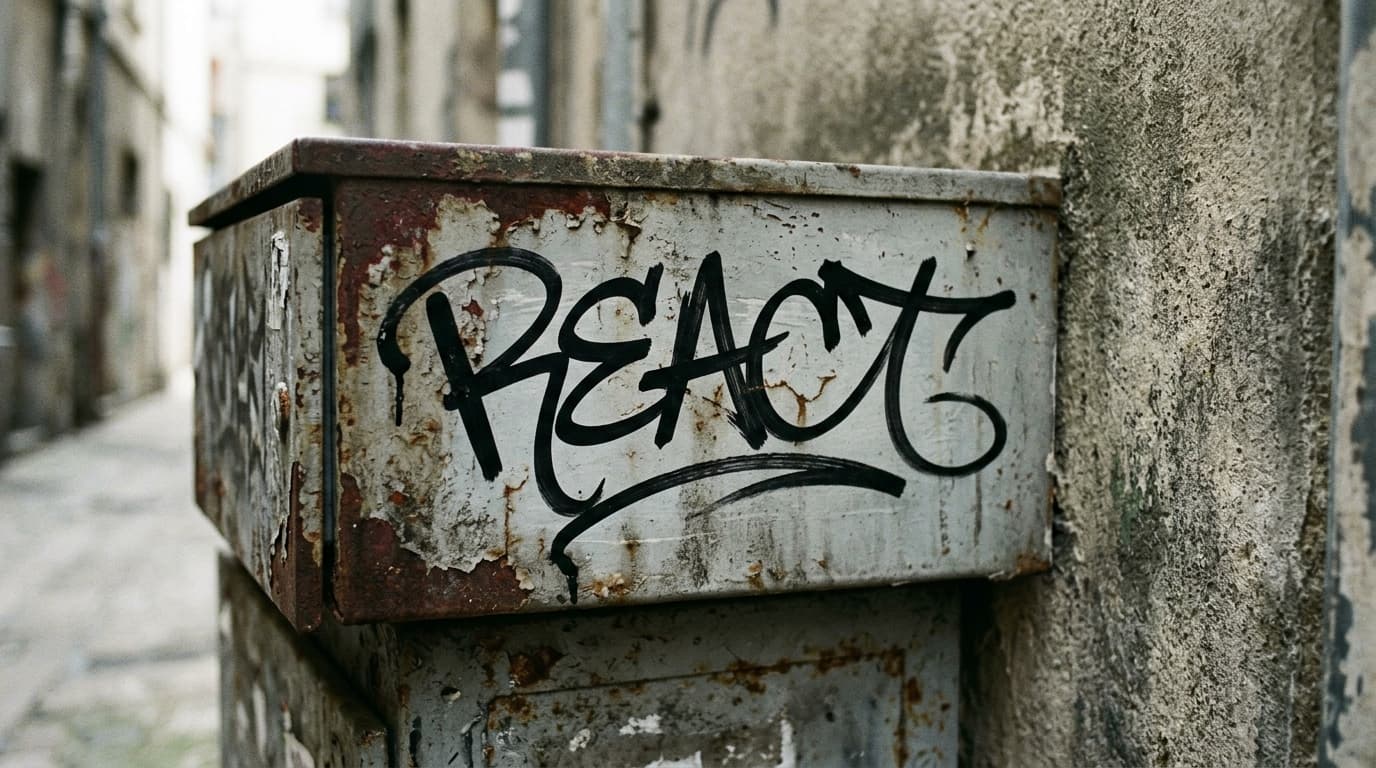
This is the part fonts cannot give you. The line is not perfect, but it has rhythm, pressure, and a finish that belongs to the rest of the word.
Next Step
Compare One Word in Straight Letters
Run one plain straight-letter pass first, then redraw the same word with your own spacing and exits so you can see whether the word finally starts feeling written.
What hand-drawn letters fix that fonts usually miss
The biggest thing hand-drawing changes is the middle of the word. Fonts can fake the first letter pretty well. They can sometimes fake the last one too. The lie usually shows up in the center, where the letters have to compromise with each other.
A real redraw starts making those compromises. One side of the A relaxes because the next letter needs room. The C opens a little wider because the previous bar already brought enough weight. The ending calms down because the opener already did the heavy lifting.
That is the stuff that makes a word feel written. Not effects. Not fake aggression. Just a set of better decisions made by somebody looking at the whole word instead of a row of separate glyphs.
- If the gap between every pair feels the same, you are still typing, not drawing.
- If the last letter has to scream to save a flat middle, the problem started earlier.
- If every vertical bar stands with the same stiffness, the word has not adapted to itself yet.
Failure example: copied font, graffiti accessories, same dead word
This is the trap right here. Somebody copies a font, thickens it up, maybe adds a couple arrows, maybe drips the last letter, and thinks the extra noise will hide the fact that the base is still typed. It never does.
Look at the shutter. The word reads, sure. But the middle is stiff, the widths stay obedient in a boring way, and the finish looks like it got attached later because the piece needed fake attitude. That is not style. That is panic decorating.
The fix is usually annoying because it is subtractive. Remove the add-ons. Redraw the center. Let one letter get quieter. Make the word live before you ask it to flex.
- Cut the extra moves first and see whether the word gets instantly clearer.
- Fix the middle before you obsess over the opener or the final flourish.
- If one letter is doing all the acting, make it shut up for a pass.
- When the end feels pasted on, the problem usually started two letters earlier.
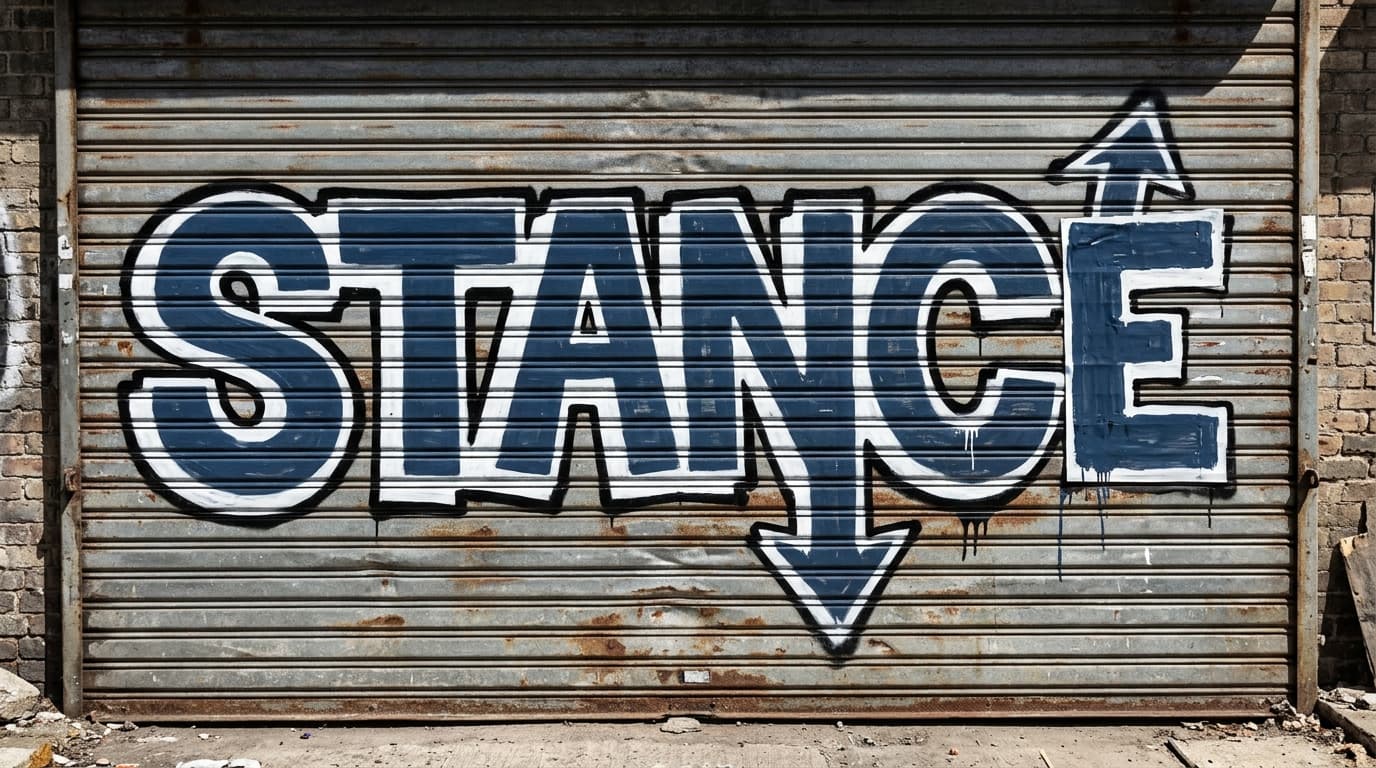
Failure example: readable is not the same as alive. The structure is still acting like a copied font, so the added arrows and outline only make the dead parts louder.
How I would actually practice this tonight
I would pick one plain five-letter word and stay on it longer than feels fun. First pass off a boring sans-serif printout. Second pass as hand-drawn straight letters with my own spacing and bar fixes. Third pass as a faster handstyle, just to see whether the word still has any flow once the line starts moving.
Then I would keep redrawing the same word instead of jumping to a new one. Not because repetition is glamorous. Because the fourth ugly redraw usually tells you more than the first clean one. That is where you start seeing which gap keeps choking, which letter keeps stealing weight, and whether the ending only works when you baby it.
If the second pass is better than the first, good. The font did its job. If the handstyle pass completely falls apart, also good. That tells you your line is still borrowed and your hand needs more reps.
That is a much better session than spending forty minutes hunting for some dope graffiti font online. One teaches you your word. The other just gives you more ways to avoid it.
Most people do not need a cooler font. They need ten uglier redraws of the same word.
- Print one plain word in a boring font.
- Redraw it once as straight letters without tracing the spacing exactly.
- Redraw it at least five more times and circle the one where the middle finally stops fighting itself.
- Write it three times fast as a handstyle and circle the rep that still feels related.
- Go back and fix the middle, not just the flashy letters at the ends.
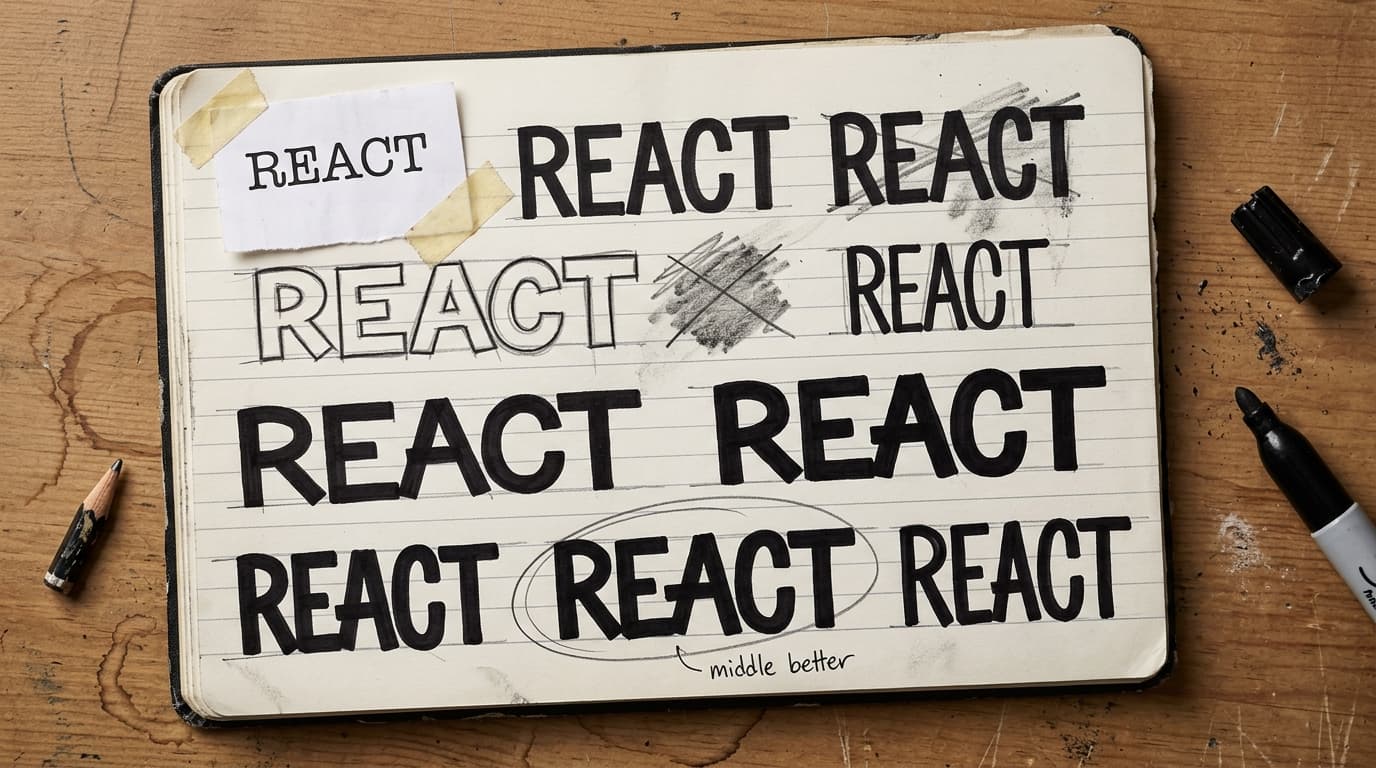
This is the real work. Not one pretty redraw, but a page full of repeats until the middle stops collapsing and one version finally starts holding together.
FAQ
Is it bad to use graffiti fonts for practice?
Can I trace a font in my blackbook?
Why do font-based graffiti letters look dead?
When should I stop using fonts and go fully freehand?
Related Reads and Next Actions
Next Step
Ready to Apply This in a Real Generation?
Take one boring word tonight and do it twice. First pass: straight off the printout. Second pass: no looking back, no tracing, just your own hand fixing the middle and the finish. Keep the one that feels like it came from your page instead of your printer.