Tags
Graffiti Tags: 7 Rules, Real Examples, and Fast Fixes
Learn how to build readable graffiti tags with seven practical rules, real worked-vs-failed examples, and a 10-minute drill for cleaner handstyle results.
Published Mar 7, 2026 · Updated Mar 7, 2026 · 10 min read · By SprayShift Editorial
Quick Answer
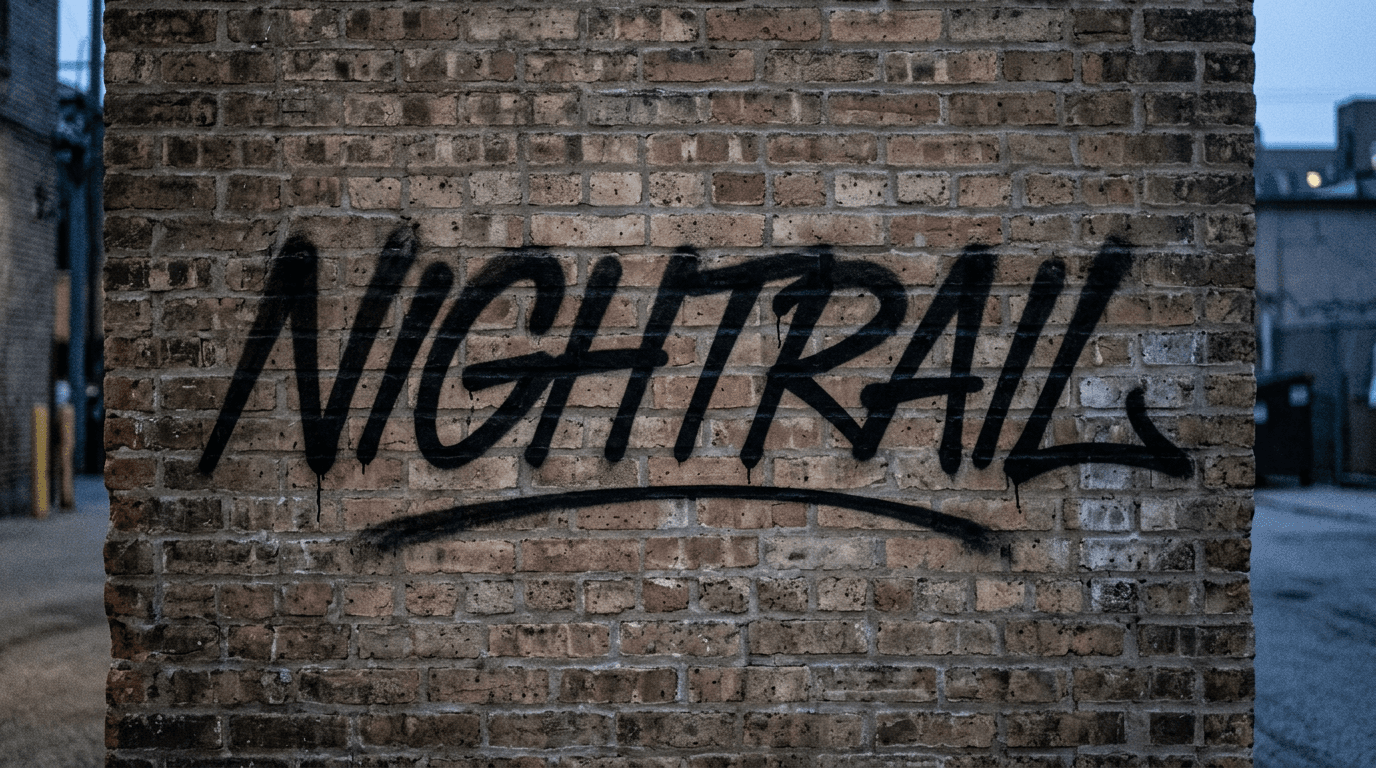
If you want better graffiti tags fast, train them like handwriting drills: one short name, one slant, one baseline, one flourish max. Keep cap height and spacing consistent, then test readability from distance. Most tags fail from rushed structure, not lack of style. Repeat the same name for 10 minutes on legal surfaces or in a blackbook and your flow improves much faster.
Who This Is For
Beginners and intermediate writers who want cleaner handstyle tags, plus designers who need realistic tag references without fake wildstyle noise.
Table of Contents
What makes graffiti tags look good instead of random?
A good tag has handstyle rhythm: it reads quickly but still feels like a signature, not typed letters.
Most toy-looking tags are not failing because they are simple. They fail because baseline, cap height, and spacing are unstable from letter to letter.
- One baseline and one slant direction through the whole word
- Cap height is consistent enough to look intentional
- Negative space between letters is balanced before effects
- One finish move only: tail, underline, or connector
Which 7 rules make tags cleaner every session?
Use the same sequence every session. Real progress comes from repeatable reps, not random one-off tags.
These rules are strict on purpose: they build control first, style second.
- Pick one 4-7 letter name and run only that name for the full drill.
- Sketch a light baseline/slant guide first (mentally or in blackbook).
- Lock letter spacing before any flair or tails.
- Keep pull direction and stroke pressure consistent across the word.
- Add one finish move only: tail, underline, or connector.
- Test readability from distance (or thumbnail) after each pass.
- If read drops, strip extras and rebuild from the skeleton.
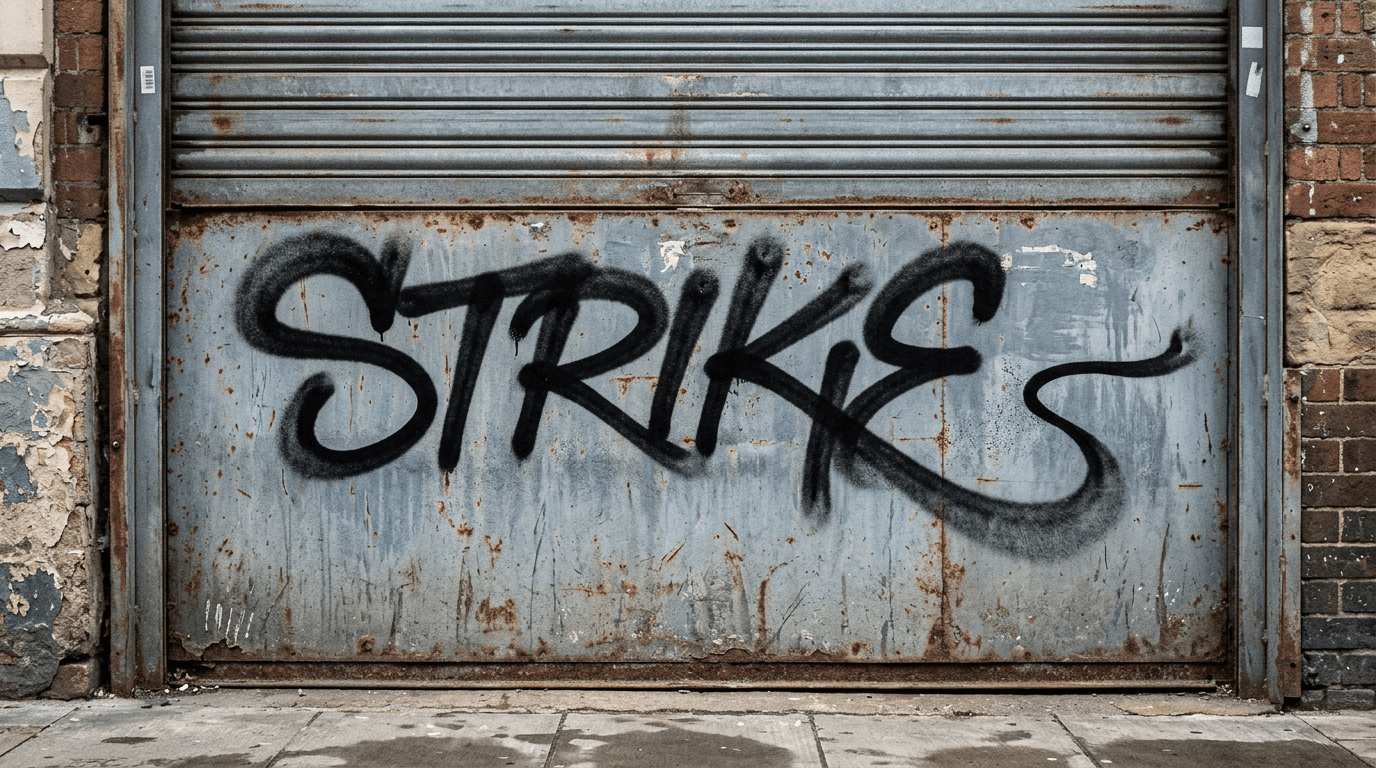
Worked example: STRIKE keeps baseline rhythm, controlled spacing, and one clean finish stroke, so the name reads fast.
Next Step
Run These Tag Rules in the Generator
Use one short name, keep style fixed, and change only one variable per attempt so readability gains are obvious.
Clean handstyle vs weak execution: what breaks first?
Judge tags in this order: readability, rhythm, then flair. Clean structure beats flashy add-ons almost every time.
If the name does not read quickly from a few steps back, the tag needs another structure pass.
| Version | Visible traits | Result |
|---|---|---|
| Clean flow | Stable slant, clear spacing, one ending move | Readable fast and repeatable |
| Weak execution | Baseline drift, cramped spacing, shaky pulls | Hard to read and hard to repeat |
| Underbuilt | Plain strokes with no rhythm accents | Readable but weak signature |
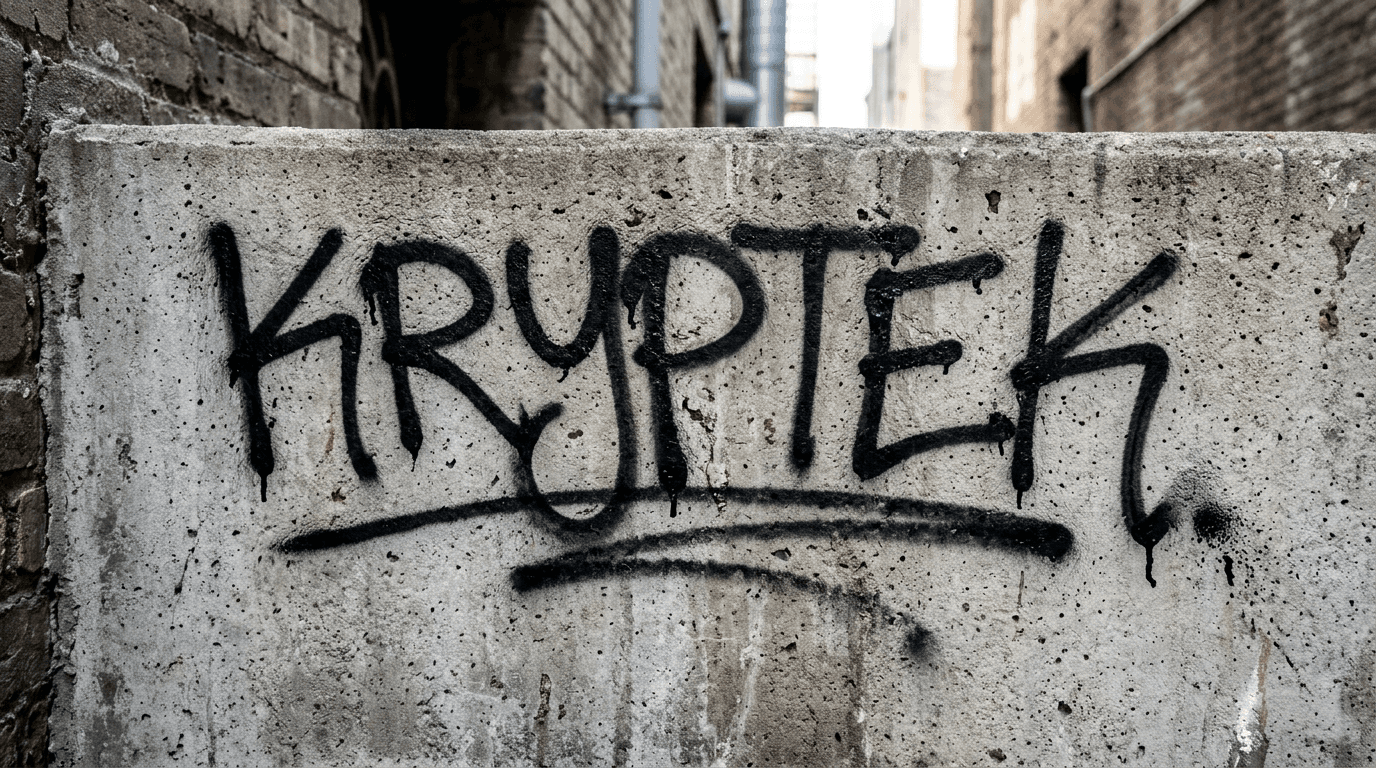
Failed example: same simple handstyle form, but uneven heights, cramped pairs, and shaky pulls make the tag look toy and read slower.
Common tag mistakes and the fastest fixes
Flow breaks when your rules change mid-word. Slant drift, random line weight, and cramped spacing kill rhythm fast.
Fix one variable per pass. That is how writers build control instead of guessing.
- Letter pairs crash (RY, PT, RK): open those gaps first
- Cap heights jump: redraw with one top line reference
- Tag leans in two directions: pick one slant and restart
- Looks stiff: adjust stroke pressure before adding decoration
When tag style is the wrong choice
Tag/handstyle is for signature energy and motion, not maximum legibility in every context.
If you need clean readability for broad audiences, straight letters or bubble structure will usually communicate better.
- Choose tag style for identity and motion
- Choose bubble or straight-letter styles for broad readability
- Practice only on legal surfaces and respect other writers' work
A 10-minute drill you can repeat daily
Set a 10-minute timer and run three controlled passes on one name. Save all passes so your progress is visible.
Score each pass 1-5 for readability and rhythm. If scores stall, next session is structure-only.
- Minute 0-3: skeleton letters only, no effects.
- Minute 3-6: baseline/slant/spacing correction pass.
- Minute 6-8: one finish move pass (single flourish).
- Minute 8-10: distance or thumbnail read test, score 1-5.
- Log one concrete fix for tomorrow (for example: open RY gap).
FAQ
How many flourishes should beginners add to a graffiti tag?
What tag length is best for daily practice?
Should I switch to a new tag name every session?
How do I test if a tag is actually improving?
Can I use AI generation for tag drills without building bad habits?
Related Reads and Next Actions
Next Step
Ready to Apply This in a Real Generation?
Open a 10-minute tag session while these rules are fresh. If daily reps push your limit, use a plan with enough monthly generations to keep the workflow consistent.