Letters
Graffiti Words That Look Good: 33 Fresh Picks
A practical guide to choosing better graffiti words, with 33 fresher picks for beginners and pros plus a method for inventing your own.
Published Mar 7, 2026 · Updated Mar 7, 2026 · 12 min read · By SprayShift Editorial
Quick Answer
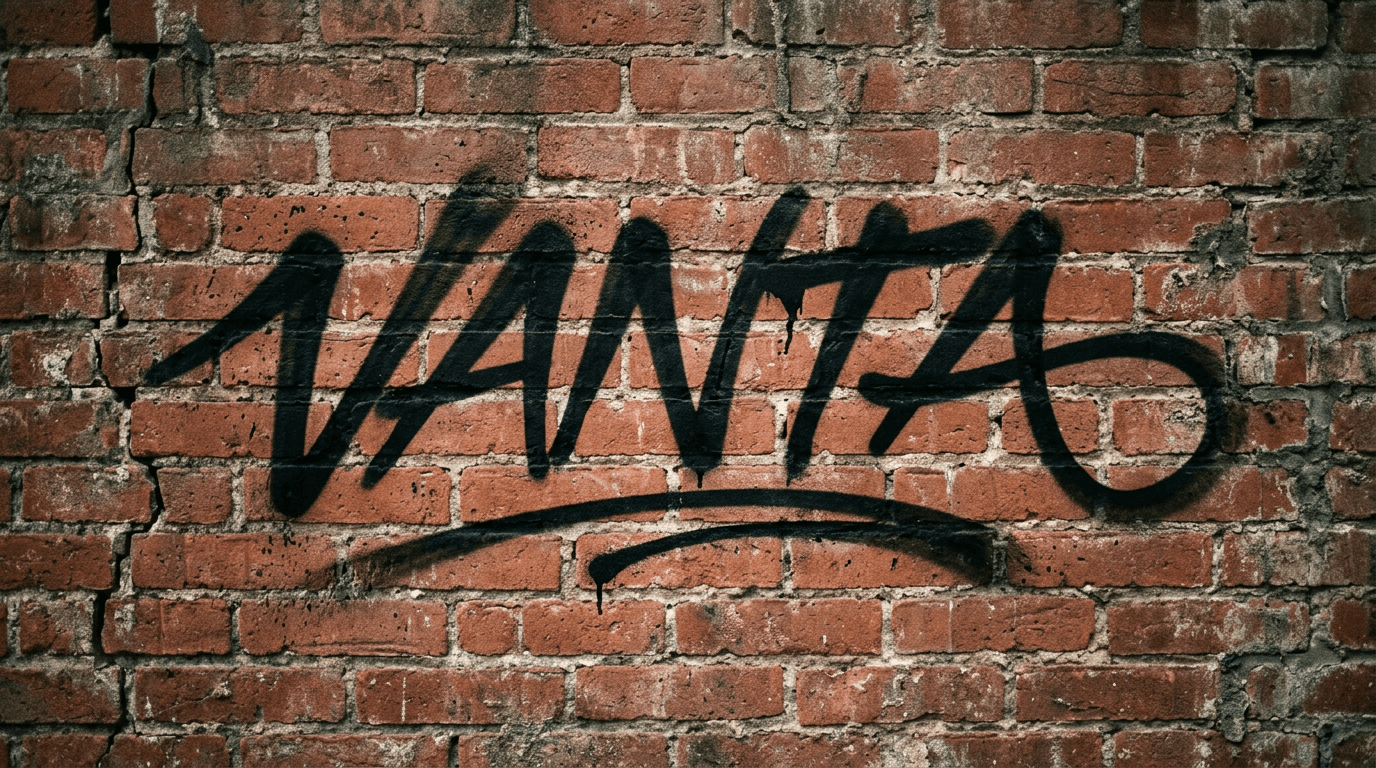
If you are bored of FLOW, RUSH, UNITY, and other overused practice words, choose fresher graffiti words with one strong opener, one rounded anchor, and one clean exit. Beginner-safe picks include LUCID, SABLE, VANTA, and AURIC. More advanced writers can push HALCYON, VESPER, CALYX, and KELVAR because those words create better contrast, cleaner tension, and more room for extensions without turning into mush.
Who This Is For
Beginners who want better practice words than the usual blackbook clichés, plus experienced writers who want more distinctive word choices for tags, throw-ups, and wildstyle builds.
Table of Contents
- What makes a graffiti word look good instead of generic?
- How do you score a word before you waste time styling it?
- Fresh beginner graffiti words that teach flow without feeling mainstream
- Original-looking graffiti words for experienced writers
- Which words fight you even before you add style?
- How do you invent original graffiti words that still look believable?
- When a great word is still wrong for the style
- What should you do next? Build a word bank that does not sound like everyone else
What makes a graffiti word look good instead of generic?
A strong graffiti word is not just a cool word. It gives you a clean opener, a center that does not collapse, and an ending that can finish with intent instead of desperation.
That is why the same old practice words get stale. FLOW and RUSH still work, but everyone has used them. If you want fresher blackbook material, choose words with better shape contrast, not just different meaning.
- Keep most practice words between 4 and 8 letters
- Mix at least one round letter with at least one straight or angled letter
- Choose a first letter that can enter clean and a last letter that can exit clean
- Favor words that stay readable before arrows, shadows, and distortion
How do you score a word before you waste time styling it?
Use this scorecard first. It keeps beginners away from frustrating letter chains and helps advanced writers spot words that can actually carry style instead of hiding weak structure under decoration.
If a word scores well on opener, center, and exit, it is worth pushing. If it already feels cramped in plain letters, styling will not save it.
| Trait | Why it matters | Fresh examples |
|---|---|---|
| Strong opener | Sets the slant and visual momentum early | VANTA, SABLE, VESPER |
| Rounded anchor in the middle | Prevents the word from becoming one long row of spikes | LUCID, AURIC, HALCYON |
| Clean exit letter | Lets the word finish with control instead of clutter | CALYX, VELAR, NOCTA |
| Shape contrast | Makes spacing and rhythm easier to judge | CINDER, KELVAR, VESTRA |
Next Step
Test Your Fresh Word List in Tag Style
Keep the style fixed, test three less-obvious words, and only keep the one that still reads clean at thumbnail size.
Fresh beginner graffiti words that teach flow without feeling mainstream
If your notebook is full of FLOW, STYLE, DREAM, and RUSH, switch to words that still teach the same lessons but feel less predictable. The best beginner words are easy to repeat, easy to space, and distinctive enough to keep practice interesting.
These picks are not random. Each one gives you at least one open shape, one structural checkpoint, and one finish letter that exposes mistakes fast.
- LUCID: wide LU opener, open C anchor, simple D finish
- SABLE: soft S-A sweep with a more disciplined BL close
- VANTA: hard V opener, twin A anchors, stylish but manageable finish
- AURIC: round AU start with a sharper R-C close for contrast
- VELAR: steady slant rhythm that works well in tags and straight letters
- SOLACE: open O-A-C sequence makes spacing errors obvious early
- CINDER: useful width changes from C to N to D to R
- EMBER: easy to repeat and good for practicing center balance
- MARROW: strong if you want to practice repeated curves without chaos
- CALYX: slightly harder, but great for learning a sharp YX exit
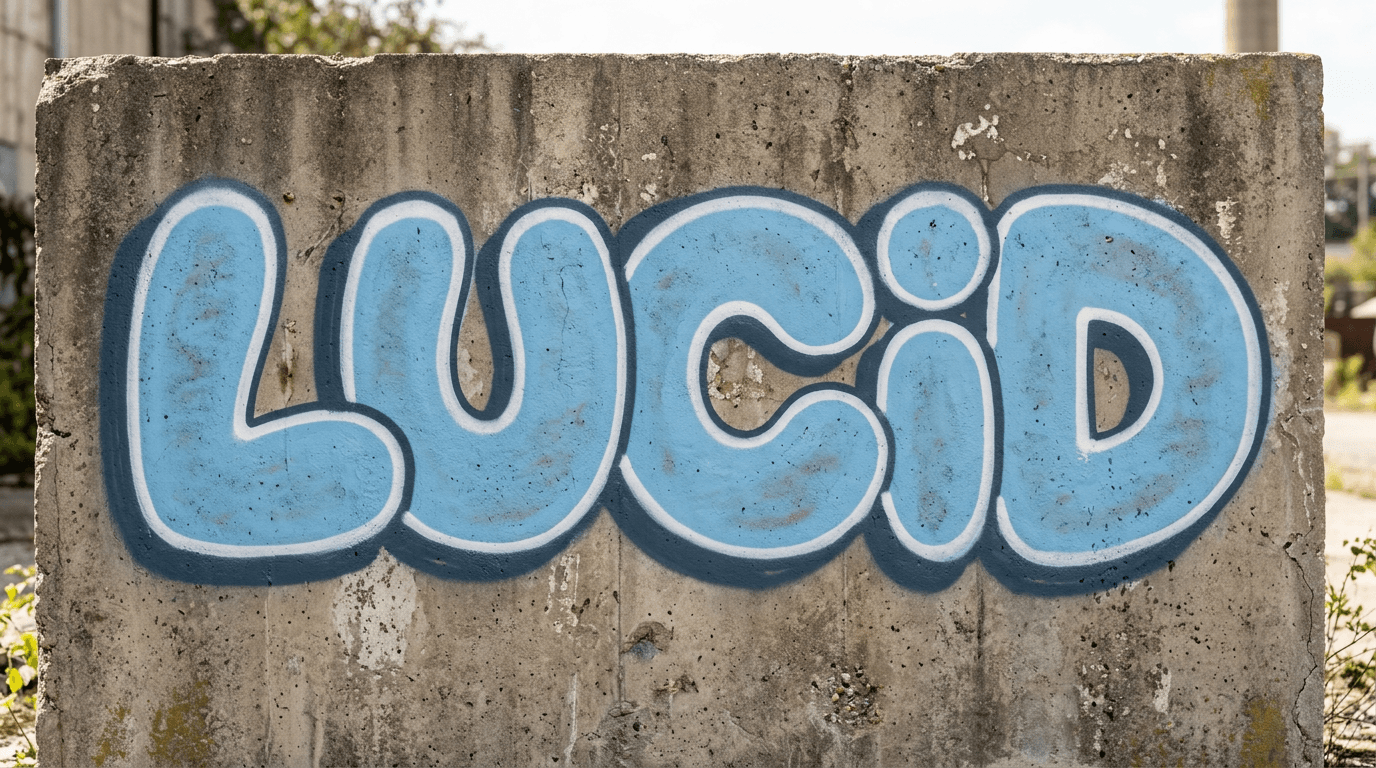
Worked beginner example: LUCID feels fresher than the usual starter words, but it still teaches the right things: wide opener, round center anchor, and a finish that stays readable without extra tricks.
Original-looking graffiti words for experienced writers
Advanced words need more than attitude. They need asymmetry, tension, and enough internal contrast that your extensions have somewhere to go.
These are stronger than the usual aggressive clichés because they give you structure to manipulate, not just noise to stack on top of noise.
- HALCYON: long enough for layering, with a strong CYO pivot in the middle
- VESPER: elegant VE opener with pressure building into the PR finish
- CALYX: compact, sharp, and great for aggressive exits
- KELVAR: coined but believable, with a clean KE start and VR finish
- NOCTA: fast tag potential with a stable O-C center
- VESTRA: flexible for handstyle, straight letters, or lighter wildstyle
- AUREL: round start, disciplined finish, and strong spacing checkpoints
- SYLAR: asymmetric enough to feel custom without becoming unreadable
- CIRRUS: useful if you want to practice repeated curves with better control
- SEVRON: strong for blockier builds with directional movement
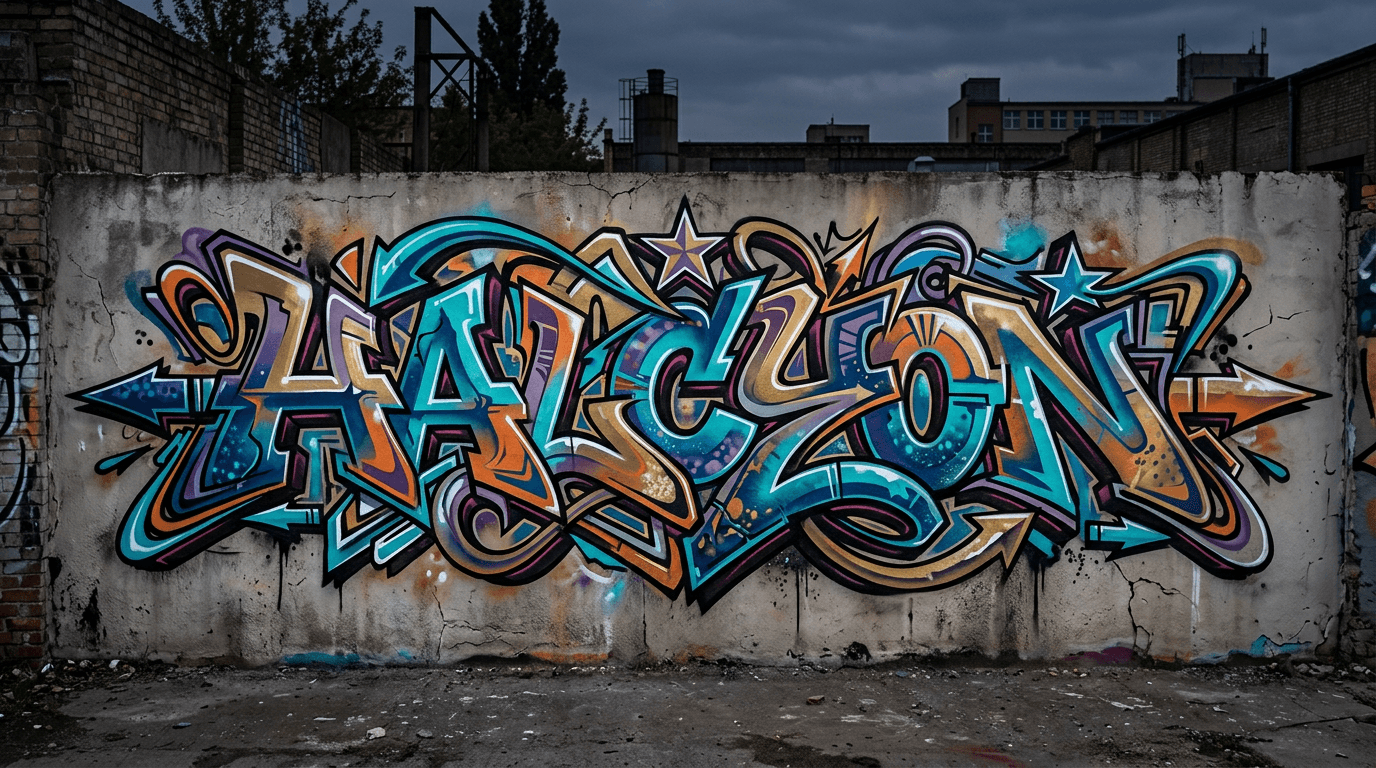
Worked advanced example: HALCYON gives you an H opener, a rounded center pivot, and a long finish sequence, so the piece can move hard without dissolving into one tangled knot.
Which words fight you even before you add style?
Some words are hard mode before you even get to color, cuts, or arrows. The problem is usually not meaning. It is shape repetition, weak exits, or too many narrow letters stacked together.
Use comparison pairs like these when you want to understand why one word keeps working and another keeps asking for rescue moves.
| Better choice | Harder choice | Why the better word wins |
|---|---|---|
| LUCID | MINIMUM | LUCID has shape contrast and a readable finish; MINIMUM repeats narrow forms and crowds the middle |
| VANTA | ILLICIT | VANTA has a strong entrance and two open anchors; repeated thin letters force the second word to rely on tricks |
| HALCYON | MONOTONY | HALCYON changes direction and keeps tension; MONOTONY repeats rounded forms until the piece goes flat |
| CALYX | LILITH | CALYX ends with a usable aggressive exit; LILITH stacks narrow letters and stalls the finish |
How do you invent original graffiti words that still look believable?
The best way to avoid cliché is not to hunt endlessly for dictionary words. Build your own word bank from sound and shape. That gives you originality without sacrificing flow.
Use a simple recipe: strong opener, rounded anchor, strong exit. Then say the word out loud. If it sounds awkward, it will usually look awkward too.
- Start with an opener that carries momentum: V, S, K, H, L, or C.
- Add one rounded anchor in the first half: A, O, U, or C.
- Keep the full word to two or three syllables.
- Finish with a letter or pair that can exit cleanly: R, N, X, Y, AR, or ON.
- Thumbnail-test the word in plain letters before styling it.
- Good coined examples: KELVAR, NOCTA, VESTRA, AUREX, KALYX
- Good modified-real-word examples: AURIC, VANTA, VELAR, SEVRON
- Avoid copying another writer's actual name; build your own shape language instead
When a great word is still wrong for the style
A good word is not universal. LUCID is excellent for bubble drills and readable throw-ups, but it is less dramatic than a sharper word if your goal is an aggressive handstyle. HALCYON can look amazing in wildstyle, but it asks for more control than most beginners have.
Pick words by silhouette first, style second, meaning third. That order gives you better results and keeps you from forcing one word into every format.
- Use open, balanced words for bubble and beginner work
- Use tension-heavy words with stronger exits for tag and wildstyle
- Keep separate lists for daily drills, finished pieces, and experiment words
What should you do next? Build a word bank that does not sound like everyone else
Make three lists today: safe words, stretch words, and coined words. That gives you one lane for control, one lane for progression, and one lane for originality.
If you want the article to change your results, do not just read it. Test the same three words in one style, score them, and throw away the one that only looks good after heavy decoration.
- Pick 5 safe words from the beginner list.
- Pick 5 stretch words from the advanced list.
- Invent 3 new words using the opener-anchor-exit recipe.
- Generate or sketch all 13 words in one style first.
- Score each word from 1-5 for readability, spacing, and finish quality.
- Keep only the top 3 from each bucket for your next session.
FAQ
What are better graffiti words than FLOW or RUSH?
Should beginners use made-up graffiti words?
What makes a word bad for graffiti practice?
Are long words always harder in graffiti?
How do experienced writers choose original-looking words?
Related Reads and Next Actions
Next Step
Ready to Apply This in a Real Generation?
Build one list of safe words and one list of stretch words, then run both while the scoring system is fresh. If you start comparing words every week, use a plan with enough monthly generations to test more than one variation before locking a final direction.